

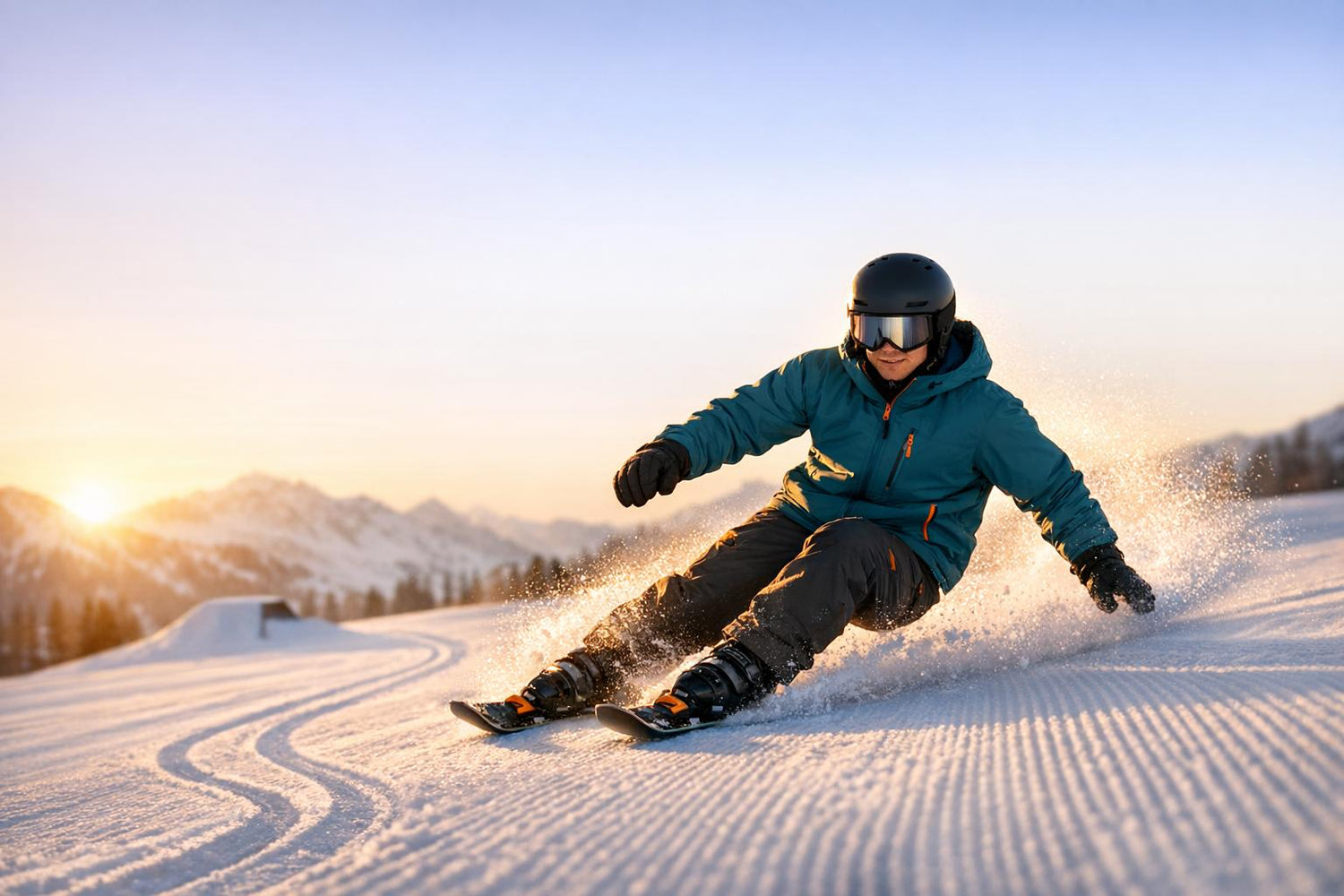
Skiskating is a snow activity that combines skiing and skating. Using ultra-short skis (as small as 44 cm), it offers a lighter, more agile alternative to skiing. It's easier to learn, less bulky, and more affordable compared to traditional skiing. Perfect for groomed slopes, terrain parks, or even local hills, skiskating is accessible to beginners and fun for experienced riders.
Key Benefits:
- Easier to Learn: Short skis are simpler to control, with a natural skating motion.
- Affordable Gear: Starting at $190, skiskates are cheaper than most ski setups.
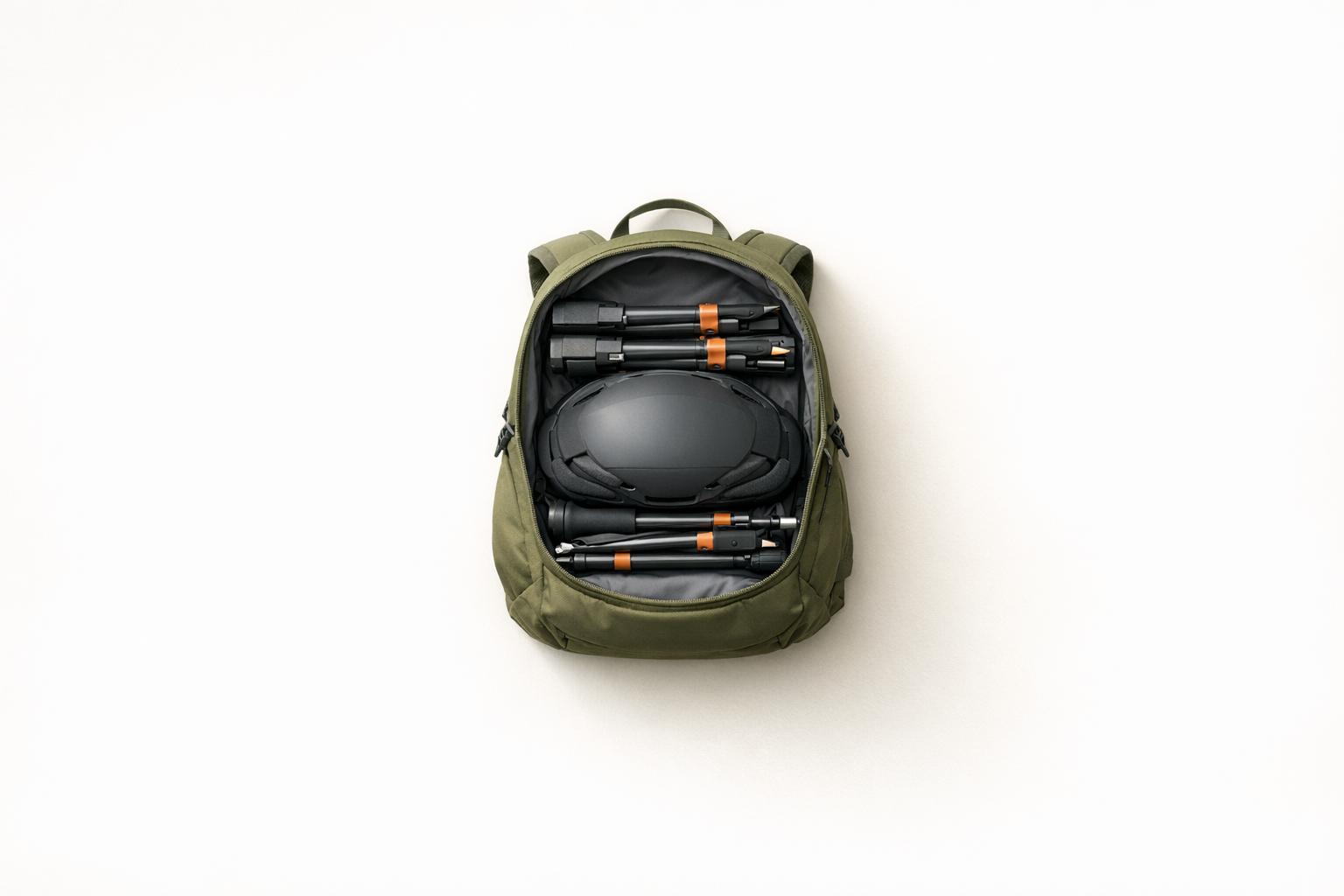
- Portable: Lightweight and compact enough to fit in a backpack.
- Versatile: Works for casual gliding, tight turns, or freestyle tricks.
Who Should Try It?
- Anyone with experience in ice skating, rollerblading, or hockey.
- Beginners looking for a less intimidating way to enjoy snow sports.
- Advanced riders seeking a playful, dynamic snow experience.
Gear Options:
- Skiskates for ski or snowboard boots ($490).
- Budget-friendly Snowfeet models starting at $190.
Whether you're on a resort slope or a local hill, skiskating delivers a fresh way to enjoy the snow without the steep costs or learning curve of traditional skiing.
What Is Skiskating and How Does It Work?
Defining Skiskating
Skiskating combines ultra-short 44 cm skis with a lateral stride, mimicking the motion of ice skating or inline skating but on snow. Imagine transferring the quick, controlled movements of hockey or rollerblading to a groomed slope.
What sets skiskating apart from traditional skiing is the size of the skis and how you move. While alpine skis are often 150 cm or longer and designed for carving wide arcs, skiskates - at just 44 cm - are built for agility. They let you pivot with ease, maneuver through tight spaces, and push off laterally, just like on a skating rink. Turning involves rolling your ankles and knees to engage the ski's metal edges, and stopping uses a hockey-stop motion, where both skis are turned sideways to quickly reduce speed. With this movement style in mind, let’s dive into the essential gear.
Gear You Need for Skiskating
To get started with skiskating, you’ll need skiskates, compatible boots, and a few protective items. Skiskates come in two binding options - one for ski boots and another for snowboard boots - both priced at $490. These bindings are adjustable without tools and include non-release safety leashes to keep the skis attached during falls, a requirement at most U.S. ski resorts. Crafted in Europe, the skiskates feature a wood core, steel edges, and cap construction, making them both lightweight and durable enough to fit in a standard backpack.
For safety, a snow-sport certified helmet is highly recommended, especially when using resort slopes. Wrist guards, commonly used in skating, can help protect against injuries from forward falls. Add waterproof outerwear, insulated gloves, and goggles to shield against wind and glare, and you’re good to go. This simple setup makes skiskating approachable for all skill levels.
Who Can Skiskate?
Skiskating is ideal for anyone with experience in hockey, rollerblading, or inline skating. The shorter skis reduce the risk of common beginner issues like catching a tip or crossing skis, making it less intimidating than traditional skiing.
Beginners can practice on gently groomed slopes, where the short skis provide better control at lower speeds. Advanced riders, on the other hand, can take skiskates into terrain parks for tricks like jumps and rails or enjoy carving faster runs on blue trails. This versatility makes skiskating a fun and dynamic option for anyone looking to enjoy the snow in a fresh way.
sbb-itb-32287b2
Snowfeet* & Skiskates Complete Guide | All you need to know about Skiskating
Why Skiskating Feels Better Than Regular Skiing
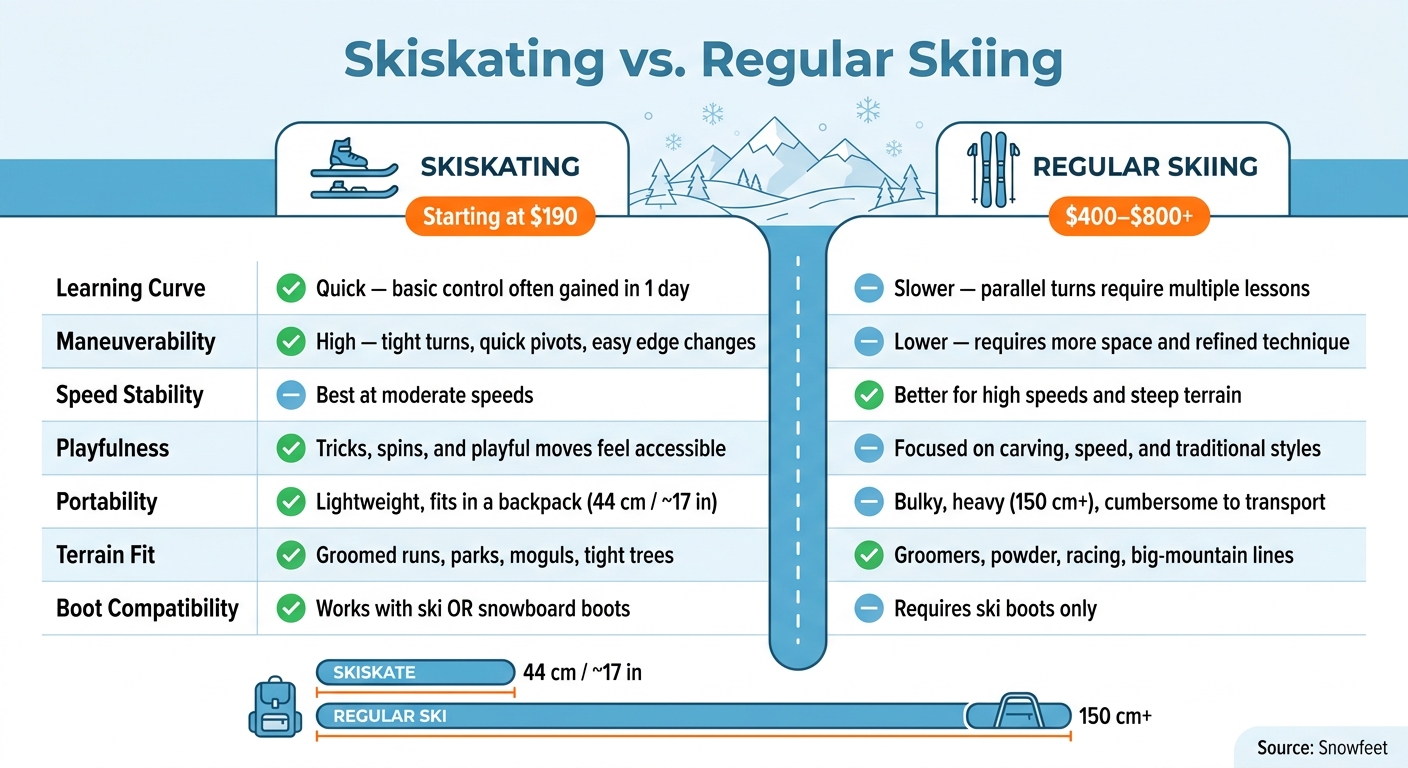
Skiskating vs. Regular Skiing: Full Comparison Guide
The Benefits of Short Skis
At just 44 cm, skiskates make learning smoother by cutting down on friction. Their shorter length means fewer edge catches and less strain on your joints, helping you pick up skills faster. Ski instructors often see students on skiskates progress from basic gliding to linking turns in fewer sessions compared to those using traditional skis.
Their lighter weight also changes how you experience the mountain. A standard ski setup, including bindings, typically weighs between 8 to 12+ lbs per pair. Skiskates, being much lighter, reduce leg fatigue, allowing you to enjoy longer sessions. Plus, their compact size makes them easy to carry, perfect for quick outings or spontaneous trips to the slopes.
But it’s not just about practicality - skiskating brings a fresh, playful vibe to your time on the mountain.
The Fun Factor: What Makes Skiskating Stand Out
The combination of lighter weight and enhanced control opens up a whole new world of fun. With skiskates, the mountain feels less like a racecourse and more like a skatepark. Their compact design makes tricks like nose presses, small 180s on gentle slopes, and tight slalom lines between natural features feel effortless - moves that would be tricky or intimidating on longer skis suddenly feel easy and low-risk.
This immediate control lets you shift your focus from mastering technique to simply enjoying the ride. Many riders with backgrounds in hockey, rollerblading, or ice skating say skiskating feels natural - like a seamless extension of skills they already know - rather than a steep learning curve to conquer.
Skiskating vs. Regular Skiing: A Side-by-Side Look
Here’s a quick comparison of how skiskating stacks up against traditional skiing in key areas:
| Aspect | Skiskating | Regular Skiing |
|---|---|---|
| Learning curve | Quick - skaters often gain basic control in a day | Slower - parallel turns take multiple lessons |
| Maneuverability | High - tight turns, quick pivots, easy edge changes | Lower - requires more space and refined technique |
| Speed stability | Best at moderate speeds | Better for high speeds and steep terrain |
| Playfulness | Tricks, spins, and playful moves feel accessible | Focused on carving, speed, and traditional styles |
| Portability | Lightweight, fits in a backpack, easy to carry | Bulky, heavy, and cumbersome in lift lines and parking lots |
| Terrain fit | Groomed runs, parks, moguls, tight trees | Groomers, powder, racing, and big-mountain lines |
| Boot compatibility | Works with ski or snowboard boots | Requires ski boots only |
This comparison showcases skiskating as a modern and flexible option for riders who value agility and fun.
Of course, there’s a trade-off. If your goal is to tackle steep, challenging terrain or power through deep powder at high speeds, full-length skis are still the go-to. But for groomed runs, terrain parks, and playful, creative riding, skiskating stands out as a strong alternative.
How to Skiskate: Techniques for Every Level
Skiskating combines agility and playfulness, making it a dynamic winter activity. Here’s a breakdown of techniques to help you master it, no matter your skill level.
Starting Out: Stance and Balance
Getting the right stance from the beginning sets you up for success. Stand with your feet about hip-width apart, knees slightly bent, and weight centered over the middle of your feet - not on your heels. Gently press your shins against your boots, keep your arms forward, and focus on what’s ahead.
Thanks to their short design, skiskates respond quickly to even small weight shifts, giving them a "skate-like" feel. If you feel unsteady, try staggering one foot forward to create a wider base. You can also lift one skiskate just an inch off the snow for a few seconds to develop the balance skills you’ll rely on as you progress.
"Keep your legs flexible, at about shoulder width, slightly bend your knees and lean the upper part of your body forward." - Snowfeet Team
Once you’re comfortable balancing, you can move on to practicing controlled glides.
Core Moves: Gliding and Skating Steps
Start by gliding straight on a groomed slope with a gentle push. Practice stopping with a controlled wedge or a gradual turn while keeping your knees soft and your gaze forward.
When you’re ready, work on edging and controlling your direction. To turn, roll your ankles and knees toward the inside of the curve you want to make. This will tilt the skiskates onto their edges, guiding you through smooth arcs. Try wide, slow S-turns, and finish your turns across the hill to manage your speed.
On flat terrain, the skating step feels similar to inline skating. Push one skiskate diagonally outward at a 30–45° angle, glide briefly on the other, and then switch. Keep your hips centered over the gliding skiskate, and aim for compact pushes. If you’ve done hockey or rollerblading, this motion will feel natural.
Once you’ve got the basics down, you can start exploring freestyle moves.
Moving Up: Tricks and Freestyle Riding
The balance and gliding skills you’ve developed are key to tackling freestyle moves. Begin with linking parallel turns and practicing small hops (ollies) on flat snow, making sure to land with bent knees for stability.
For your first small jumps, find a smooth, natural roller or a tiny park knuckle with plenty of open landing space. Absorb the jump by bending your knees as you take off and extending them as you land, keeping your hands forward and eyes focused ahead.
To learn spins, start with surface 180s on flat snow. Use your upper body for rotation and maintain soft knees. Once you can consistently land surface rotations, you can try adding air. For boxes, approach straight with your skiskates flat, and focus on the far end of the feature rather than looking down at your feet.
How to Pick the Right Skiskating Gear
Once you've got the basics down, it's time to pick the gear that fits your needs. The options are simple to navigate once you understand the key differences between models.
Skiskates Models: What's Available
Your decision largely hinges on boot compatibility and length.
The Skiskates Ski Boots Model ($490) features alpine-style adjustable bindings that snap into standard ski boots. This setup provides excellent edge control and energy transfer, making it perfect for groomed slopes and moderate-speed carving. On the other hand, the Skiskates Snowboard Boots Model ($490) uses strap-based bindings designed for snowboard boots. While it offers slightly less precision, it prioritizes comfort, making it a great choice for terrain park enthusiasts or those who prefer avoiding stiff ski boots for walking around resorts.
For shorter options, the Snowfeet Basic ($190) measures about 14 inches (35 cm) and attaches to regular winter or snowboard boots. It's compact enough to fit in a backpack and performs well on small hills, green runs, and snow parks. If you're looking for a balance between stability and maneuverability, the Snowfeet 50 PRO ($299) and Snowfeet Skiblades 65 cm ($550) are excellent mid-range options. At the higher end, the Snowfeet Skiblades 99 cm ($590) behaves more like traditional skis, offering superior edge grip for steeper terrain and rougher snow conditions.
The next step is to choose a model that matches your skill level and preferred terrain.
Matching the Right Model to Your Skill Level
Your experience and the type of terrain you plan to tackle should guide your choice. Focus on finding a model that complements your ability and riding style.
If you're new to skiing and plan to stick with green runs or small hills, the Snowfeet Basic is a solid entry-level choice. It's easy to control, forgiving at low speeds, and works with regular winter boots - no need for ski boots. According to Snowfeet, beginners can pick it up in a day, especially if they have experience with inline skating or hockey.
For riders who are comfortable on blue runs and want to carve harder or explore longer resort trails, the Skiskates models or Skiblades 65 cm are better suited. Confident skiers or snowboarders aiming for black runs, variable snow, or faster speeds will appreciate the performance of the Skiblades 99 cm, though it requires stronger technique for stability and control.
One thing to note: body weight plays a role in choosing the right gear. If you weigh over 180 lbs, avoid the shortest models as they may feel unstable. Conversely, if you're under 140 lbs or still building leg strength, a shorter, softer setup will be easier to handle.
Gear Comparison Table
| Model | Length | Boot Compatibility | Skill Level | Best Terrain | Price (USD) |
|---|---|---|---|---|---|
| Snowfeet Basic | ~14 in (35 cm) | Winter / snowboard boots | Beginner | Green runs, small hills, parks | $190 |
| Snowfeet 50 PRO | ~20 in (50 cm) | Winter / snowboard boots | Beginner–Intermediate | Groomed blues, parks | $299 |
| Skiskates Snowboard Boots Model | ~26 in (65 cm) | Snowboard boots | Intermediate | Resort runs, terrain parks | $490 |
| Skiskates Ski Boots Model | ~26 in (65 cm) | Alpine ski boots | Intermediate | Groomed slopes, carving | $490 |
| Snowfeet Skiblades 65 cm | 65 cm | Ski boots | Intermediate–Advanced | All-mountain, groomers | $550 |
| Snowfeet Skiblades 99 cm | 99 cm | Ski boots | Advanced | Steeper runs, variable snow | $590 |
Before making a purchase, check whether your chosen model is compatible with your existing boots. If buying or renting additional boots isn't ideal, a strap-on model that works with the gear you already own can help you save money.
Where and How to Skiskate Safely in the US
Best Places to Skiskate
Once you've honed your techniques and picked the right gear, it's time to find the perfect spot to enjoy skiskating. Luckily, the U.S. offers a variety of great locations, from ski resorts to quiet hills in your neighborhood.
Ski Resorts are a standout option. With their groomed slopes, cat tracks, and side trails, resorts provide plenty of room for carving turns and controlling your speed. Skiskates, which are typically 16 to 26 inches long (40 to 65 cm), are designed for agility, making them ideal for weaving through moguls and navigating tight forest paths where traditional skis might be too cumbersome. These settings allow you to fully experience the quick, playful nature of skiskating.
If you're looking for something more relaxed, consider wooded trails. For example, Muskegon Luge Adventure Sports Park in Michigan offers a quarter-mile path that's shielded from the wind, creating a calm and enjoyable environment. Skiskates are particularly well-suited for these trails, thanks to their compact design. Another excellent choice is Northland Arboretum in Brainerd, Minnesota. This location features 15 kilometers of groomed cross-country trails, with 6 kilometers lit for evening adventures until 10:00 PM.
For beginners, local sledding hills and snowy backyards are perfect. These spots allow you to practice balance and stopping techniques without the pressure of high speeds or the need for a lift ticket. Snow parks, on the other hand, are great for those eager to try jumps and freestyle tricks, offering a more adventurous experience.
Safety Tips for Skiskating
Before you hit the snow, make sure conditions are right. A packed snow layer of 2–4 inches is ideal, as it helps prevent your skates' steel edges from snagging on rocks or debris. Always check local snow reports beforehand. Skiskating works best on firm, cold snow - temperatures below 32°F provide optimal conditions, while warmer weather can lead to slushy, slower surfaces.
Safety gear is essential. A helmet and snow pants are must-haves; the helmet protects your head, while snow pants keep you warm and soften any falls. When temperatures dip below 20°F, consider adding a neck gaiter and hand warmers for extra comfort. Layering is also key - wear moisture-wicking base layers under a waterproof outer shell to stay warm and dry, adjusting as needed during activity.
Don't forget to use the safety leashes that come with your skiskates. These leashes ensure your skates won't slide away if a binding releases, especially on slopes. If you're at a resort, follow standard slope etiquette by yielding to downhill riders, staying in control, and avoiding stopping in the middle of a run. These precautions will help you navigate safely across different terrains.
Risk vs. Reward by Setting
| Setting | Fun Factor | Skill Requirement | Recommended Gear | Safety Considerations |
|---|---|---|---|---|
| Ski Resorts | Very High | Intermediate–Advanced | Ski or snowboard boots | High speeds; stay alert to other riders. |
| Snow Parks | Very High | Advanced | Snowboard boots | Risk of falls on jumps and tricks; helmet required. |
| Wooded Trails | High | Beginner–Intermediate | Winter or snowboard boots | Lower wind chill; watch for roots and debris. |
| Sledding Hills | High | Beginner | Standard winter boots | Low risk; ideal for learning balance and stops. |
| Urban Parks | Moderate | Beginner | Standard winter boots | Mind thin snow cover and exposed pavement. |
The level of risk varies depending on the setting. Beginners will find sledding hills and wooded trails to be forgiving places to build confidence. Meanwhile, resorts and snow parks offer more excitement but demand greater skill and awareness to navigate safely.
Conclusion: Why Skiskating Is Worth Trying
Skiskating offers a refreshing and accessible way to enjoy the snow. Whether you're completely new to skiing or an experienced rider, these short skis adapt to your skill level. Beginners can ease into the sport with a forgiving and easy-to-learn setup on gentle slopes. Intermediate skiers can refine their edge control while rediscovering familiar trails, and advanced riders will appreciate the challenge and precision skiskates bring to technical runs.
From a practical standpoint, skiskating makes a lot of sense. A traditional beginner ski setup can cost anywhere from $400 to $800+, but Skiskates start at $490 - and they’re compatible with boots you might already own. Plus, their compact size means no need for roof racks or oversized bags; they can fit right into a backpack. For families already spending over $100 on lift tickets, the convenience of skiskates is a big win.
"Skiskates' main advantage is that they fit all sizes, they are due to their size easily portable and light, plus they provide a new way of fun on the snow." - Snowfeet Team
What keeps people hooked, though, isn’t just the convenience or price - it’s the experience itself. The thrill of carving quick S-turns on an easy slope, the confidence of mastering short skis without worrying about tangled tips, and that unforgettable moment when you glide smoothly and think, "I’ve got this." For many, that confidence comes within just one outing.
Skiskates make it easy to hit the slopes and progress quickly, turning any snow day into something special. Next time you’re out, consider swapping traditional skis for Skiskates for a few runs. Start on a gentle hill, keep your knees relaxed, and let the rhythm of skating take over. It’s not just skiing - it’s a whole new way to enjoy the snow.
FAQs
Are skiskates allowed at most U.S. ski resorts?
Yes, most ski resorts in the U.S. permit the use of skiskates. These compact skis are equipped with metal edges, ensuring they meet standard safety requirements by offering reliable grip and speed control. However, rules can differ between resorts, so it’s a good idea to confirm with the resort staff or lift operators ahead of time. As long as you wear appropriate safety gear, maintain control, and follow the resort's guidelines, you can enjoy skiskates without any trouble.
Do I need poles to skiskate?
Poles aren’t a must-have for skiskating, especially if you’re just starting out. In fact, beginners are better off leaving them aside to concentrate on building balance, mastering footwork, and strengthening core control. Once you’ve gained confidence, poles can be introduced to add more power, help with navigating steep slopes, or improve turning. While experienced skiskaters might use poles to maintain rhythm and boost propulsion, the foundation of the technique lies in the natural side-to-side motion and engaging the hips effectively.
How do I choose the right skiskates length for my weight?
Choosing the right Skiskates length is more about your skill level and how you plan to use them than your weight. If you're a beginner or plan to stick to groomed trails, the 65 cm option offers better balance and stability. Intermediate users looking for a more versatile experience might prefer the 80 cm length. For those who enjoy performing agile tricks, the 50 cm version is ideal. Meanwhile, casual riders who want a lightweight, skating-like feel will appreciate the compact 44 cm option.

Leave a comment
This site is protected by hCaptcha and the hCaptcha Privacy Policy and Terms of Service apply.