

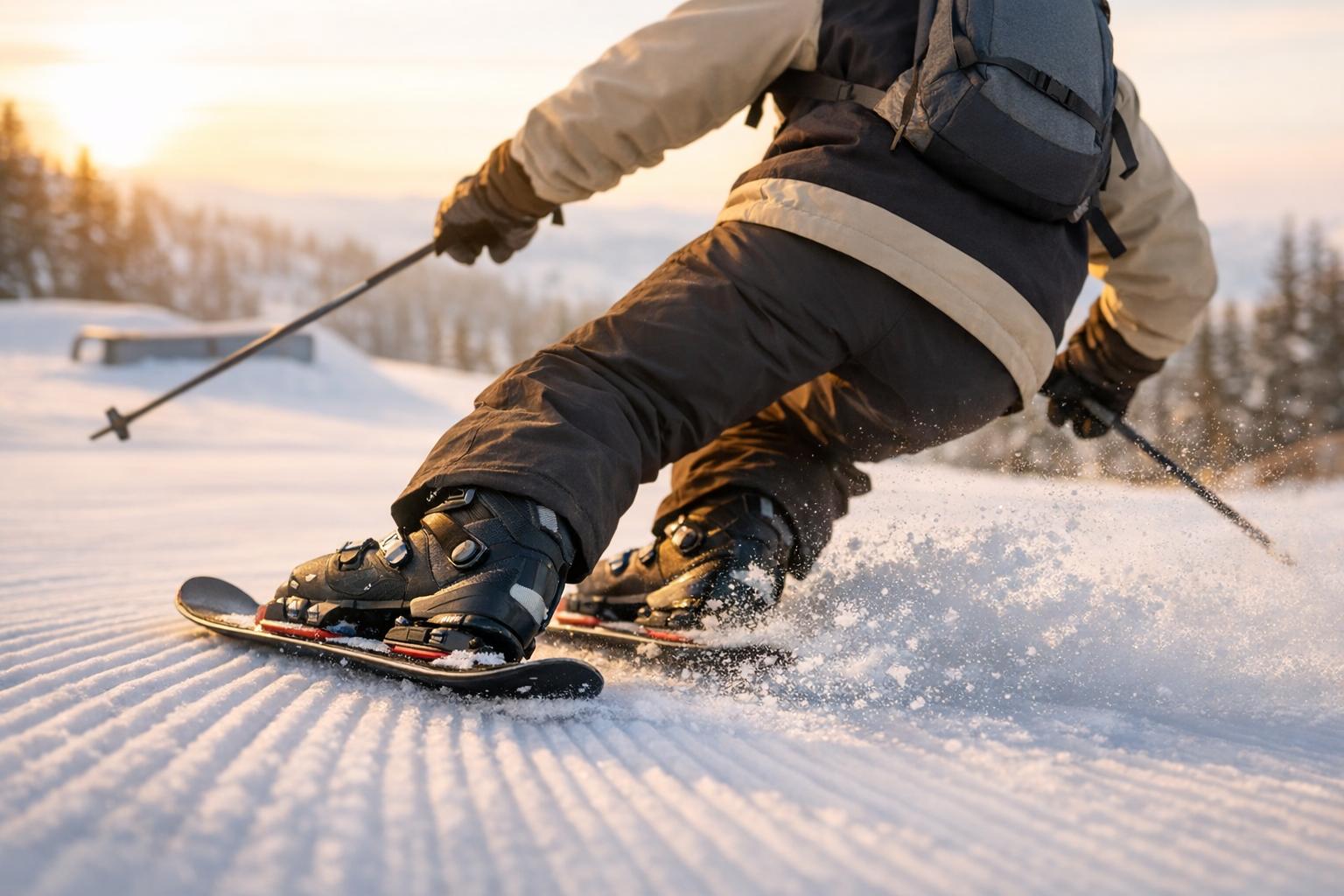
Once You Try This You Won’t Go Back to Skis
Skiskates are compact, 17-inch skis designed for a skating motion on snow, offering a more agile and fun alternative to long skis. They’re ideal for groomed runs, freestyle tricks, and crowded slo...
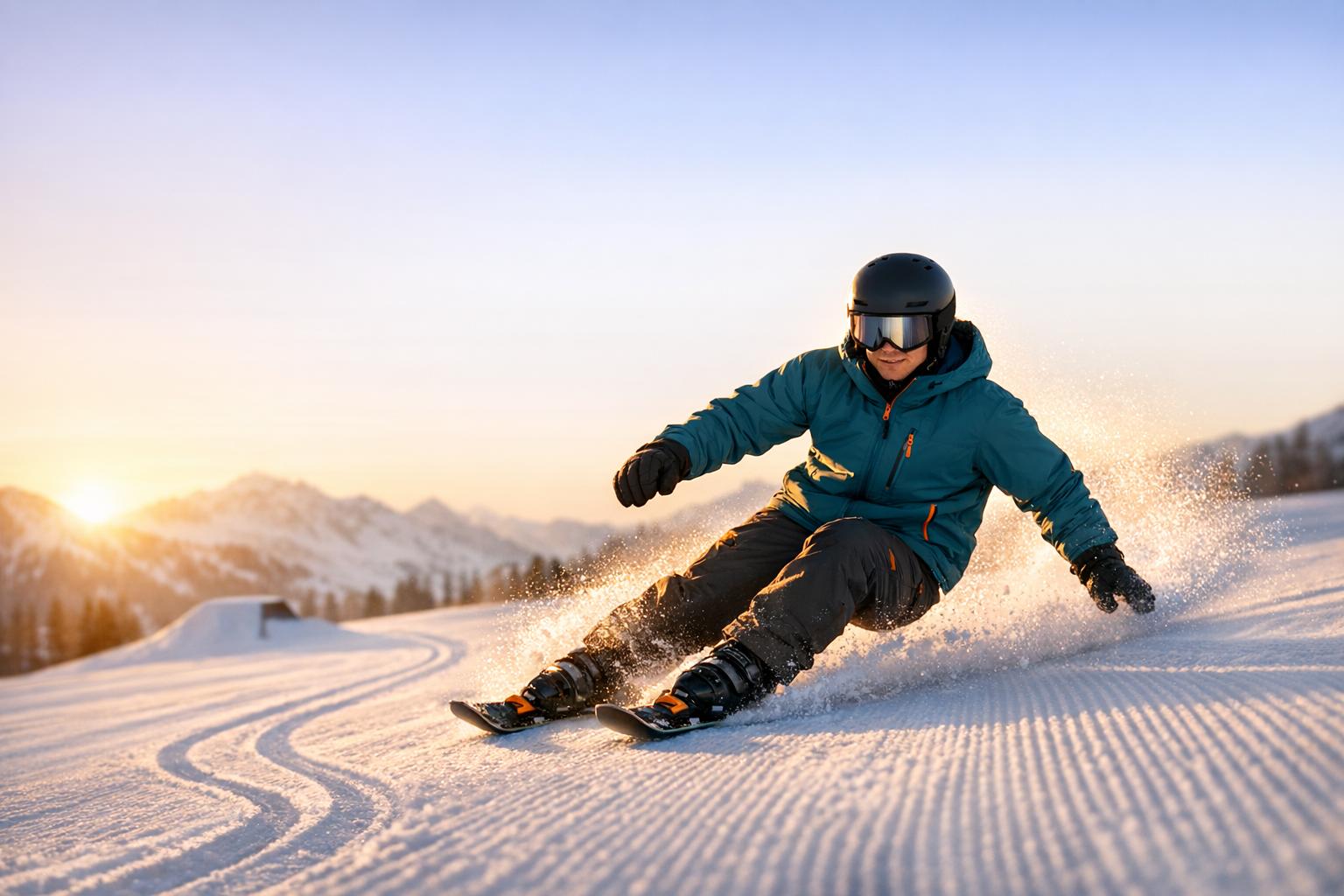
This Is Not Skiing This Is Something Better
Skiskating is a snow activity that combines skiing and skating. Using ultra-short skis (as small as 44 cm), it offers a lighter, more agile alternative to skiing. It's easier to learn, less bulky,...
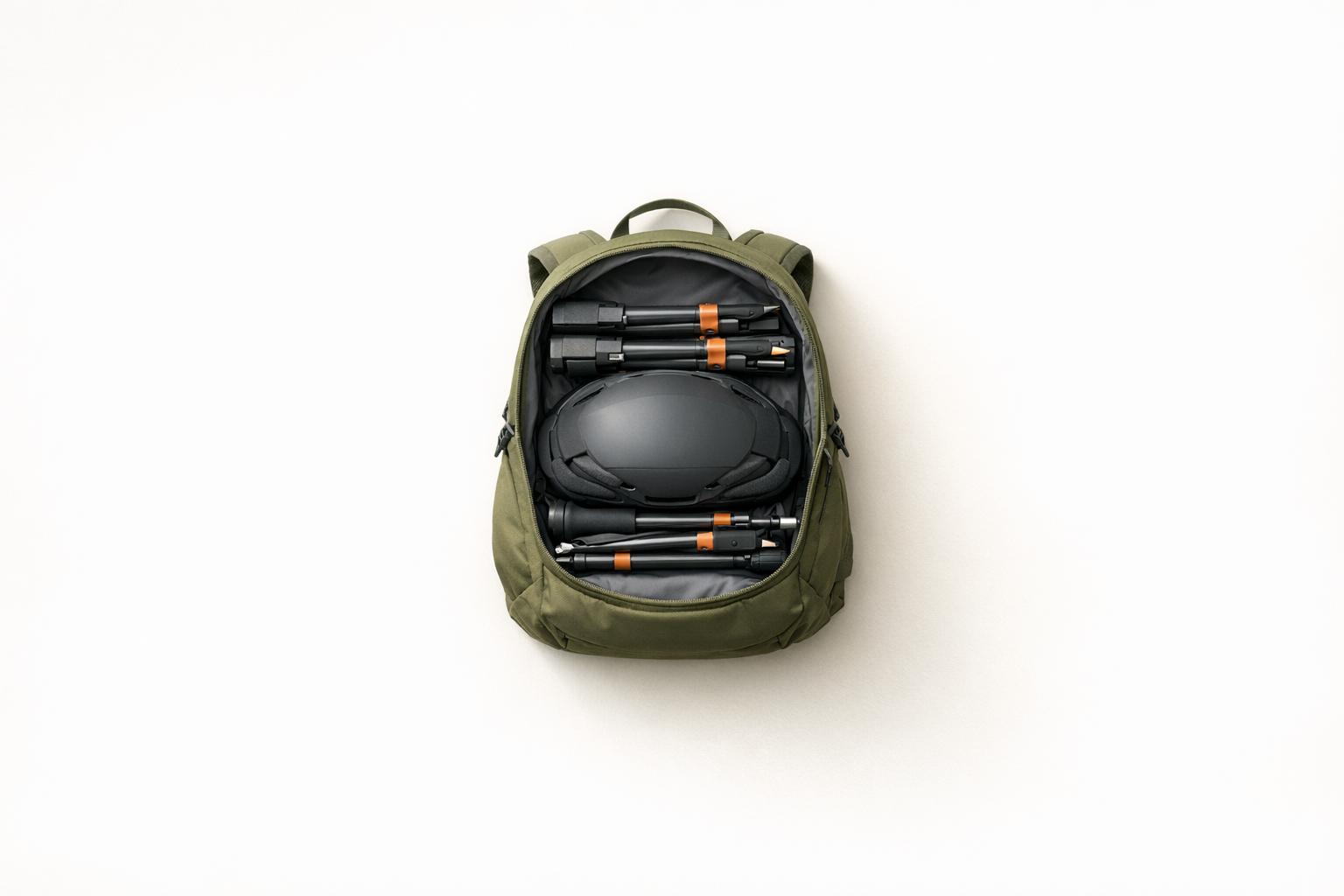
Ski Gear That Fits in a Backpack
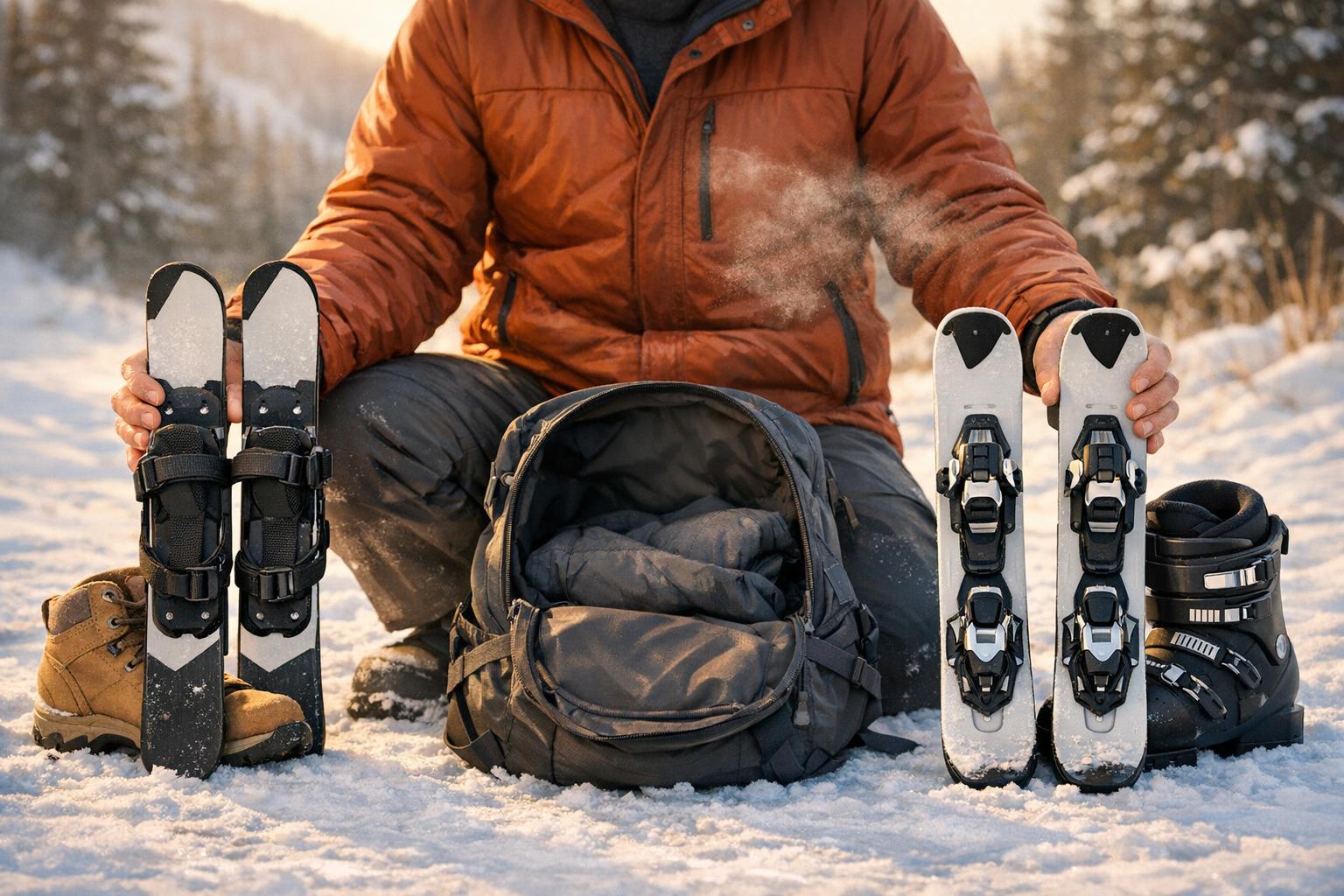
Skiing gear no longer has to mean oversized bags and heavy equipment. Compact ski gear is here to simplify your trips to the slopes, fitting everything you need into a single backpack. Whether you...
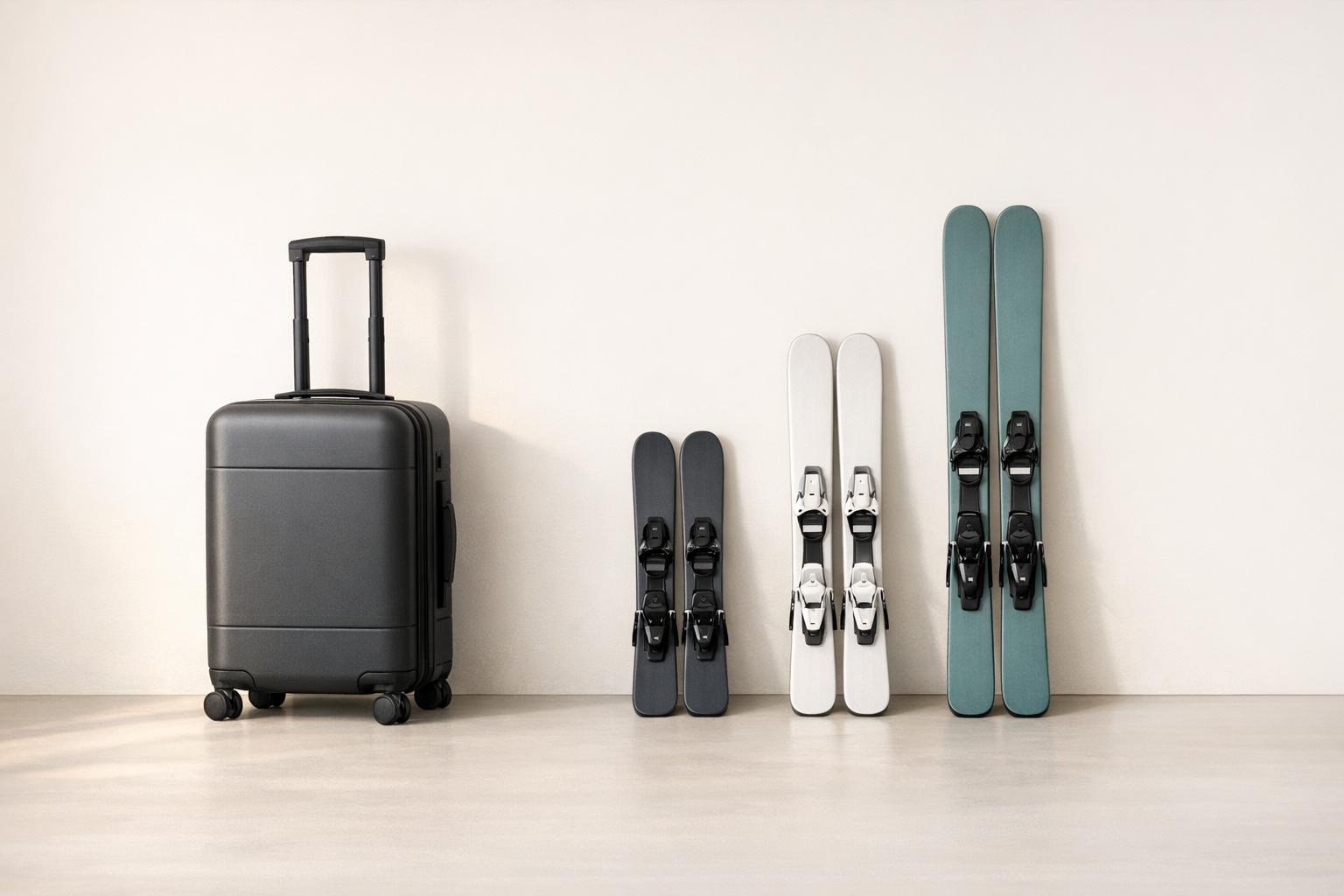
Lightweight Skis You Can Carry Anywhere
If you’re tired of lugging heavy skis through airports or cramming them into your car, lightweight skis are the perfect solution. These compact options, like 44 cm Skiskates or 99 cm Skiblades, fi...
Best Ski Alternative for Travel and Backpacking
Traveling with skis can be a pain - bulky gear, oversized bags, and extra fees. But there's a solution: short skis and skiskating gear. These compact options, ranging from 17 to 39 inches, fit in ...
Where to Buy Short Skis Online
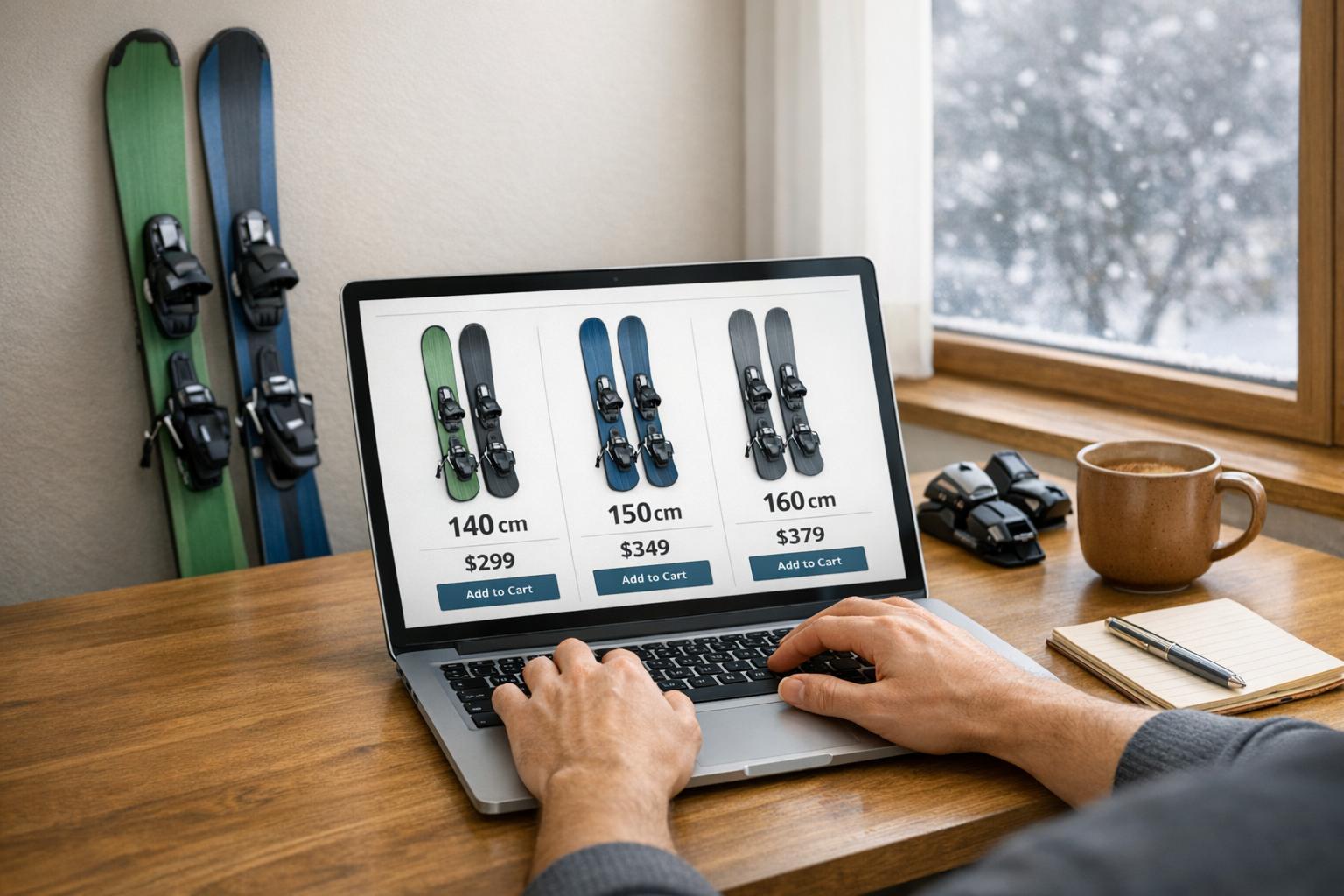
Looking for short skis? Here's what you need to know: Short skis (skiblades, snowblades, skiboards, or skiskates) range from 17 to 53 inches, making them easier to control, great for quick turns...
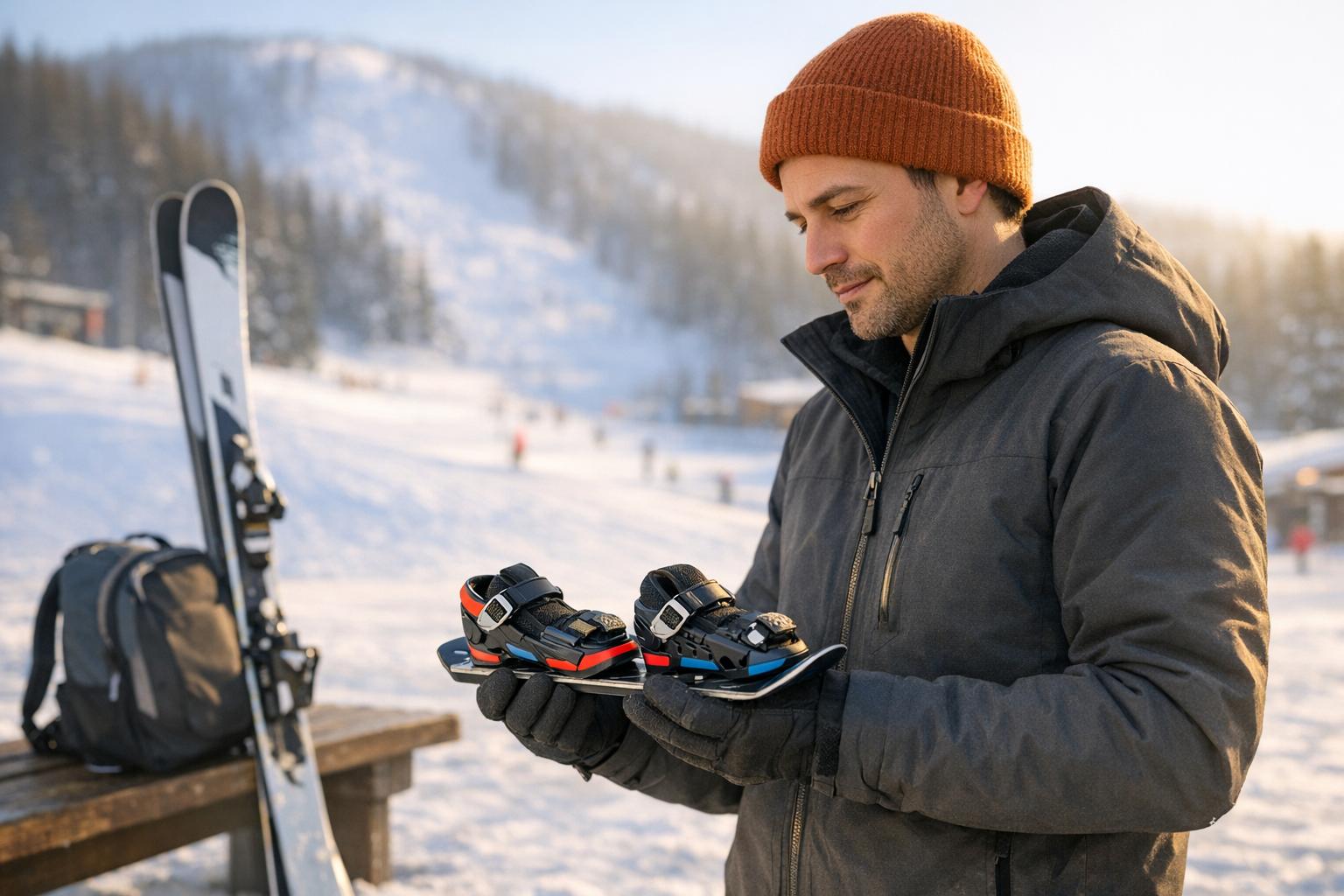
Skiskates are compact, ultra-short skis designed for portability and ease of use. They combine the glide of skiing with the motion of skating, making them a lightweight alternative to traditional ...
The Most Addictive Winter Sport Right Now
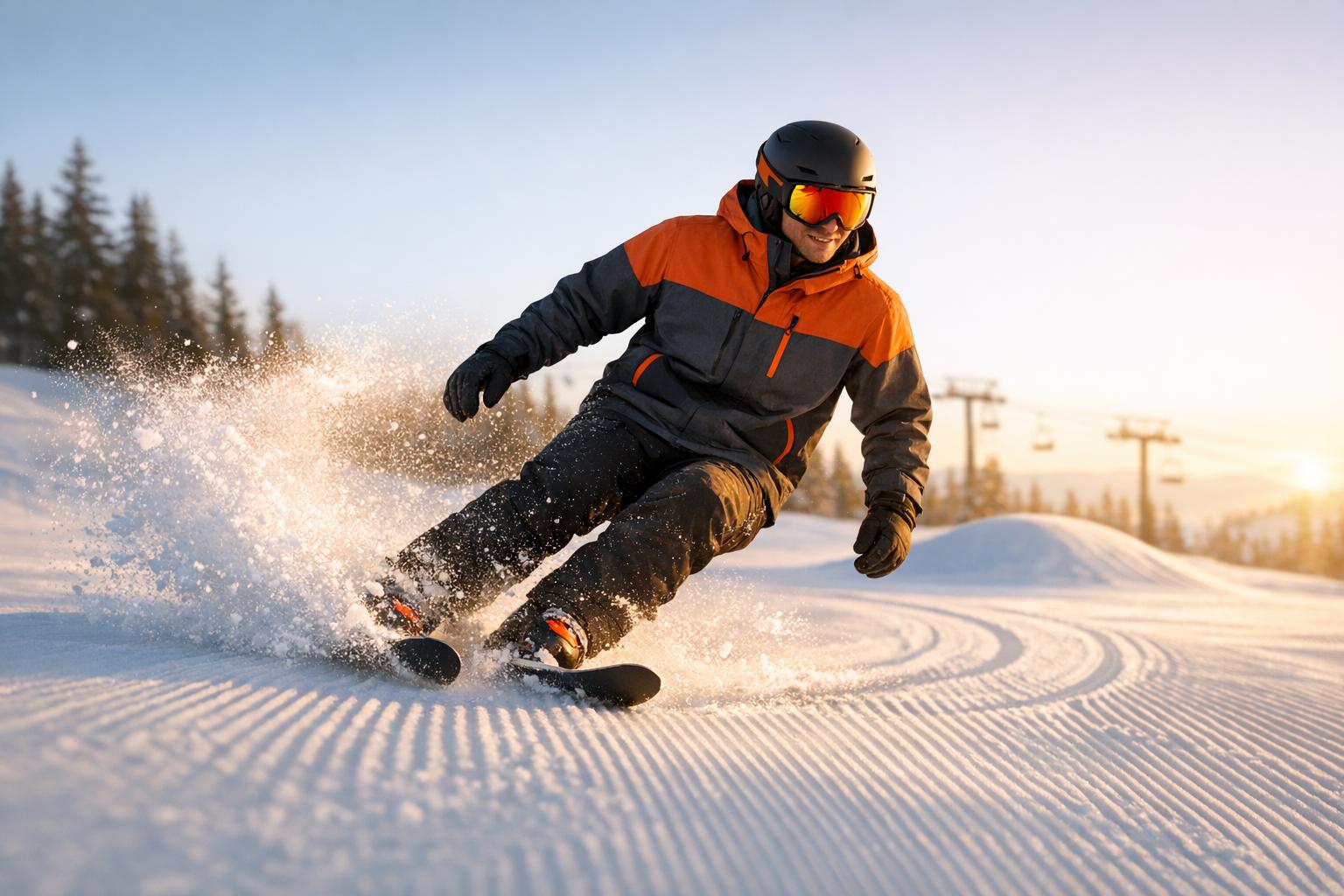
Skiskating is taking over the slopes as a fun, easy-to-learn winter sport. It combines skiing and skating using ultra-short skis (around 17–20 inches), offering quick turns, spins, and playful mov...