

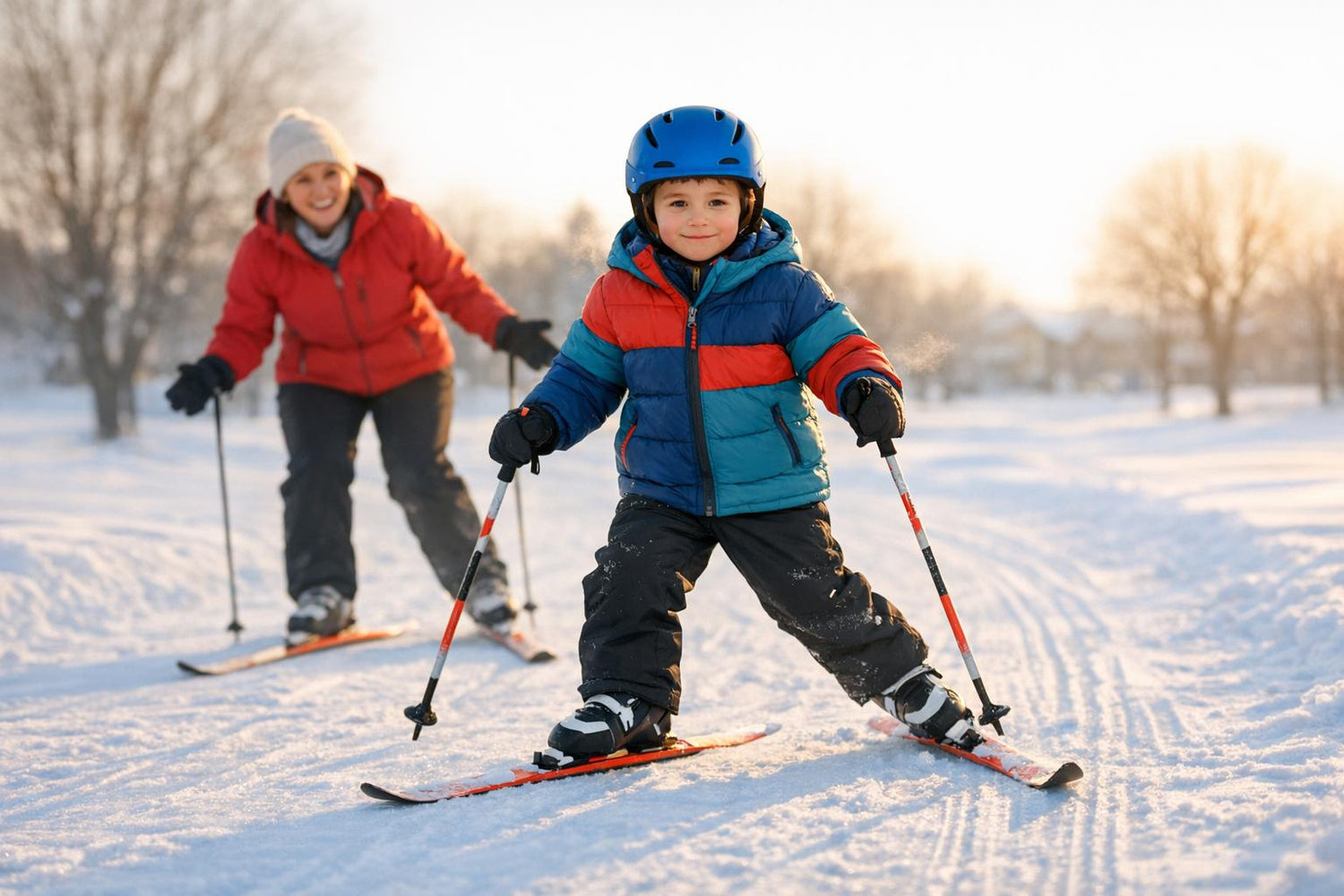
Yes, skiskating is a great winter sport for kids. It’s easier to learn, uses lightweight gear, and is less expensive compared to skiing. Skiskating combines skiing and ice skating movements, making it fun and simple for beginners. Kids can improve balance, coordination, and confidence while staying active during winter.
Key Benefits:
- Easy to Learn: Smooth skating-style movements simplify the process.
- Lightweight Gear: Compact equipment is easier for kids to handle.
- Lower Cost: No need for expensive rentals or lift tickets.
- Safer for Beginners: Shorter skates reduce strain and injury risks.
- Fun and Engaging: Kids can move freely and try playful maneuvers.
Quick Tips for Parents:
- Start on gentle slopes with proper safety gear (helmet, goggles, pads).
- Choose skiskates that fit well and have adjustable bindings.
- Encourage practice with professional lessons for better technique.
Skiskating offers an enjoyable, low-pressure way for kids to experience winter sports without the challenges of skiing. It’s a win for both parents and children!
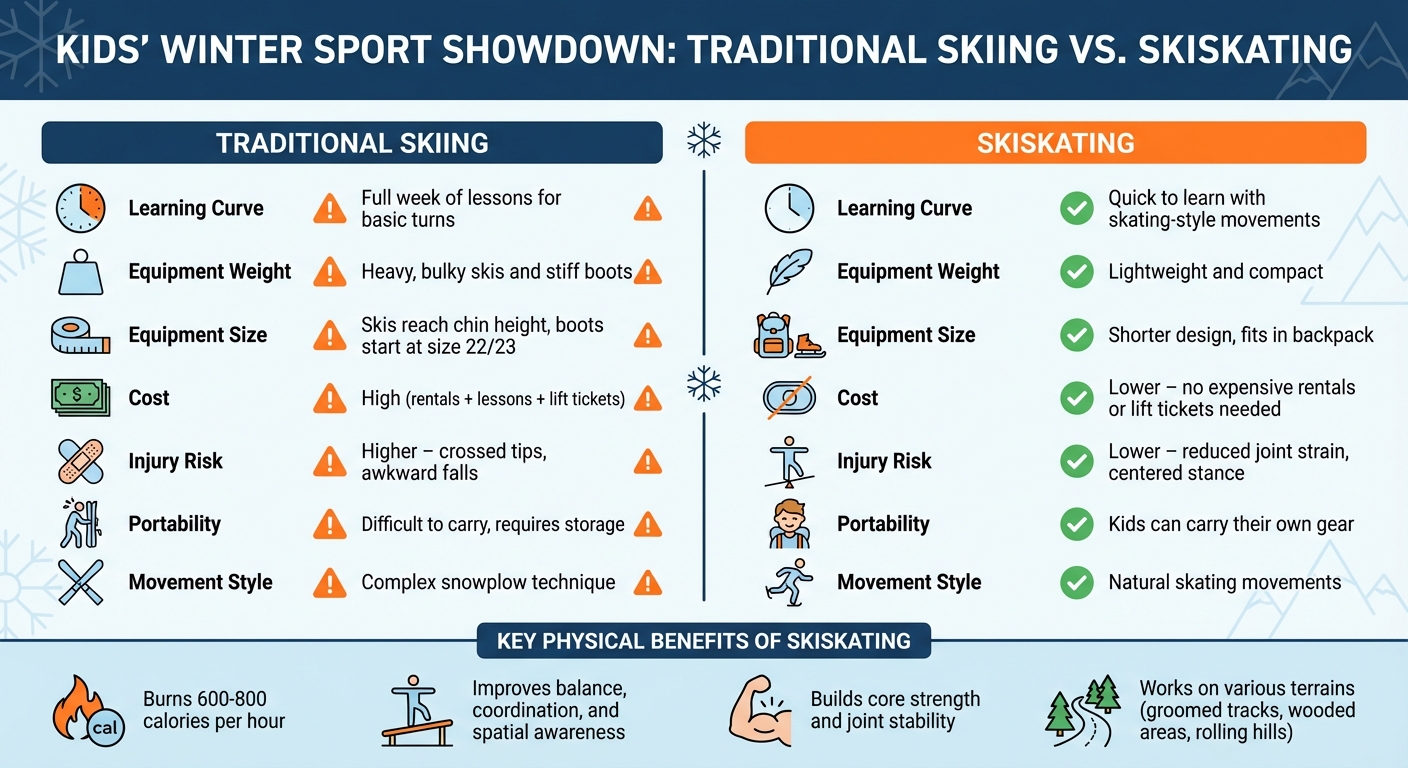
Skiskating vs Traditional Skiing for Kids: Key Differences
Common Problems with Regular Skiing for Kids
Traditional skiing can present a range of challenges that may turn an exciting winter outing into a frustrating experience for young beginners. Recognizing these obstacles helps explain why families often struggle to get their kids started on the slopes - and why skiskating might be a simpler, more accessible option.
Steep Learning Curve and Heavy Equipment
Skiing isn't the easiest sport for children to pick up. It often takes a full week of lessons before a child can master even the basics, like making their first turns. Instructors try to simplify things with visual cues - like the well-known "pizza slice" technique for snowplowing - but it still requires significant practice.
The equipment adds another layer of difficulty. Traditional ski boots are stiff and restrictive, making it tough for kids to move naturally. Nemours KidsHealth emphasizes the importance of proper gear:
Using equipment that's too big or too small can be very dangerous.
Boots need to fit perfectly, starting from size 22/23, and skis should be sized to reach about chin height. For young children, the weight and bulk of the gear can feel overwhelming and exhausting.
High Costs and Access Issues
The financial side of skiing can also be a major hurdle. From the very beginning, families need to budget for rental gear (skis, boots, helmets), professional lessons, and lift tickets. Since professional instruction is essential for beginners, the costs can quickly add up. On top of that, kids outgrow their equipment rapidly, making it impractical to invest in personal gear, while repeated rentals can drain the budget over time.
Access to skiing infrastructure is another issue. Specialized resorts are necessary, and for many families, just getting to these locations can feel daunting.
Injury Risks
Falling is part of learning to ski - even for seasoned professionals. For beginners, the weight and length of traditional skis can lead to crossed tips and awkward falls that are tough to recover from, often increasing their fear of falling altogether.
Parents, despite their best intentions, can sometimes make things harder. Tignes Ski Instructors caution:
Holding your child between the legs is detrimental to learning! He'll lean back in your arms and develop bad posture habits that are very difficult to correct afterwards.
This approach can interfere with a child’s ability to develop proper balance and posture. These challenges highlight the need for a more beginner-friendly option like skiskating, which could better suit young learners.
sbb-itb-32287b2
How Skiskating Works Better for Kids
Skiskating overcomes many of the hurdles that make traditional skiing tough for kids. With its shorter design and skating-inspired movements, it offers a smoother and more natural way for children to get started with winter sports, helping them develop key skills without feeling overwhelmed.
Simple to Learn and Use
The skating-style movements in skiskating help kids improve their balance, spatial awareness, and coordination, making them more physically agile. These benefits are further supported by the design of the equipment itself, which is tailored for ease of use.
Small and Light Equipment
Skiskates are compact and lightweight, making it easier for kids to handle their gear and move around independently. This lighter setup also encourages better balance and core strength, both crucial for agility and joint stability. Shawnee Mountain Ski Area highlights this connection:
Having great balance improves agility and joint stability.
By eliminating the challenge of bulky equipment, skiskates allow kids to concentrate on skill-building and enjoy the experience.
More Fun and Flexible
Skiskating opens up opportunities for kids to explore different terrains and experiment with fun maneuvers like spinning, jumping, or even riding backward. As Muddy Puddles puts it:
Little ones usually have no fear of trying new things and quickly take up the snow bug.
This playful and adventurous approach keeps kids engaged, active, and excited about winter sports, all while improving their body awareness and posture.
Physical and Safety Advantages of Skiskating for Kids
Skiskating provides a great starting point for kids, thanks to its shorter equipment and skating-style movements. These features not only simplify the learning process but also make the activity safer for young beginners.
Fewer Injuries
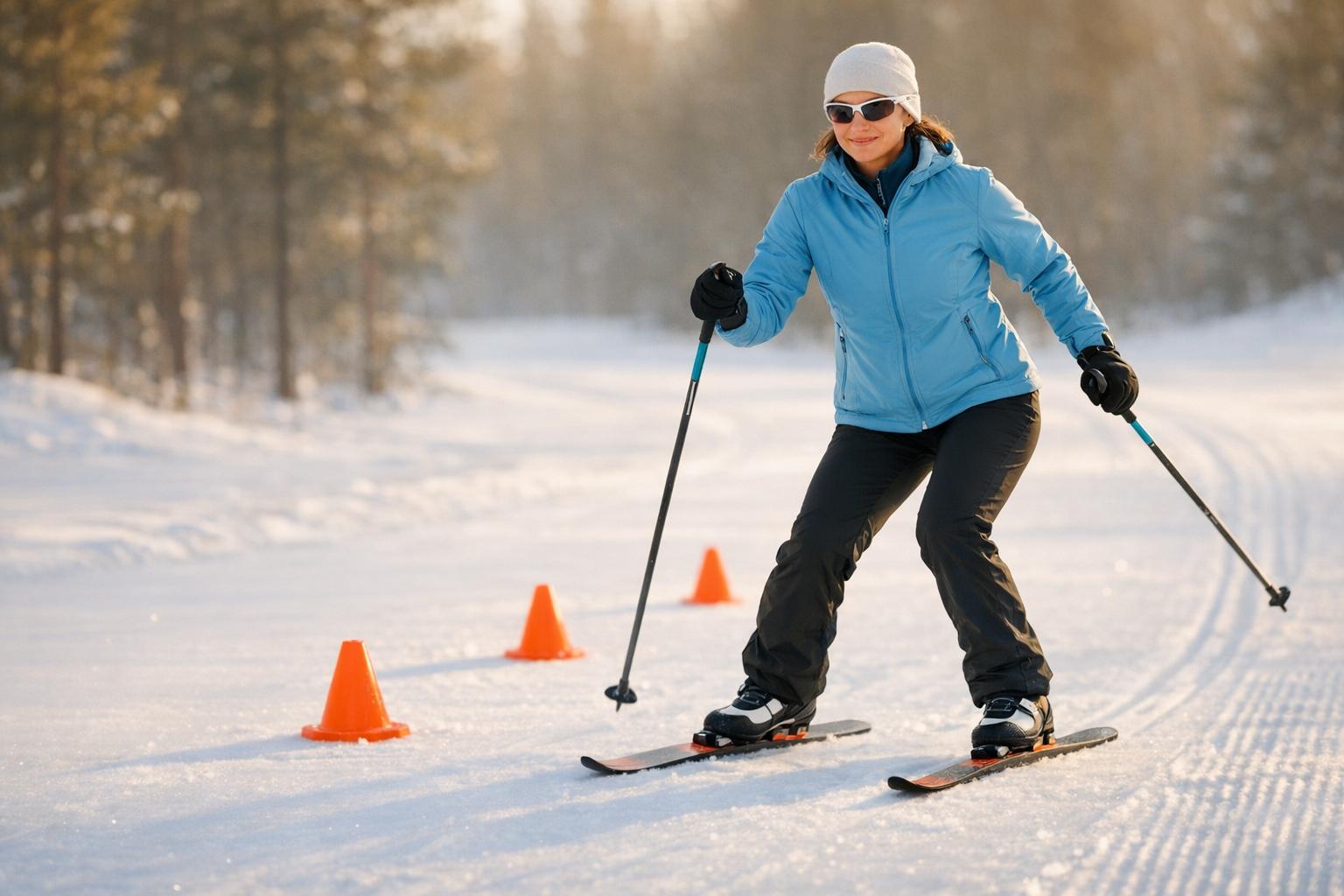
The centered stance in skiskating helps reduce strain on the joints, lowering the risk of injuries common in traditional skiing. By promoting efficient movement patterns, it allows kids to focus on building skills without unnecessary stress on their bodies. Simple drills, like practicing one-ski gliding, help kids gradually gain confidence while improving technique.
As Don DeBlieux, a PSIA Level 3 Nordic instructor, points out:
“[Proper technique] will save you a lot of frustration and you won't develop movement patterns that are inefficient and hard to break”.
Another advantage is the shorter length of skiskates. This design reduces the force on knees and ankles during turns and stops, making it a gentler option for growing kids.
Better Balance and Confidence
Skiskating’s safety and simplicity naturally lead to improved physical skills. The focus on one-legged balance helps kids develop muscle strength, coordination, and self-confidence. Parents can even turn everyday moments into practice opportunities - like encouraging their child to balance on one leg while brushing their teeth.
The athletic stance used in skiskating - feet shoulder-width apart, knees slightly bent, and hips aligned over the feet - feels natural and easy to adopt, helping kids grasp the technique quickly.
Versatility on Different Snow Surfaces
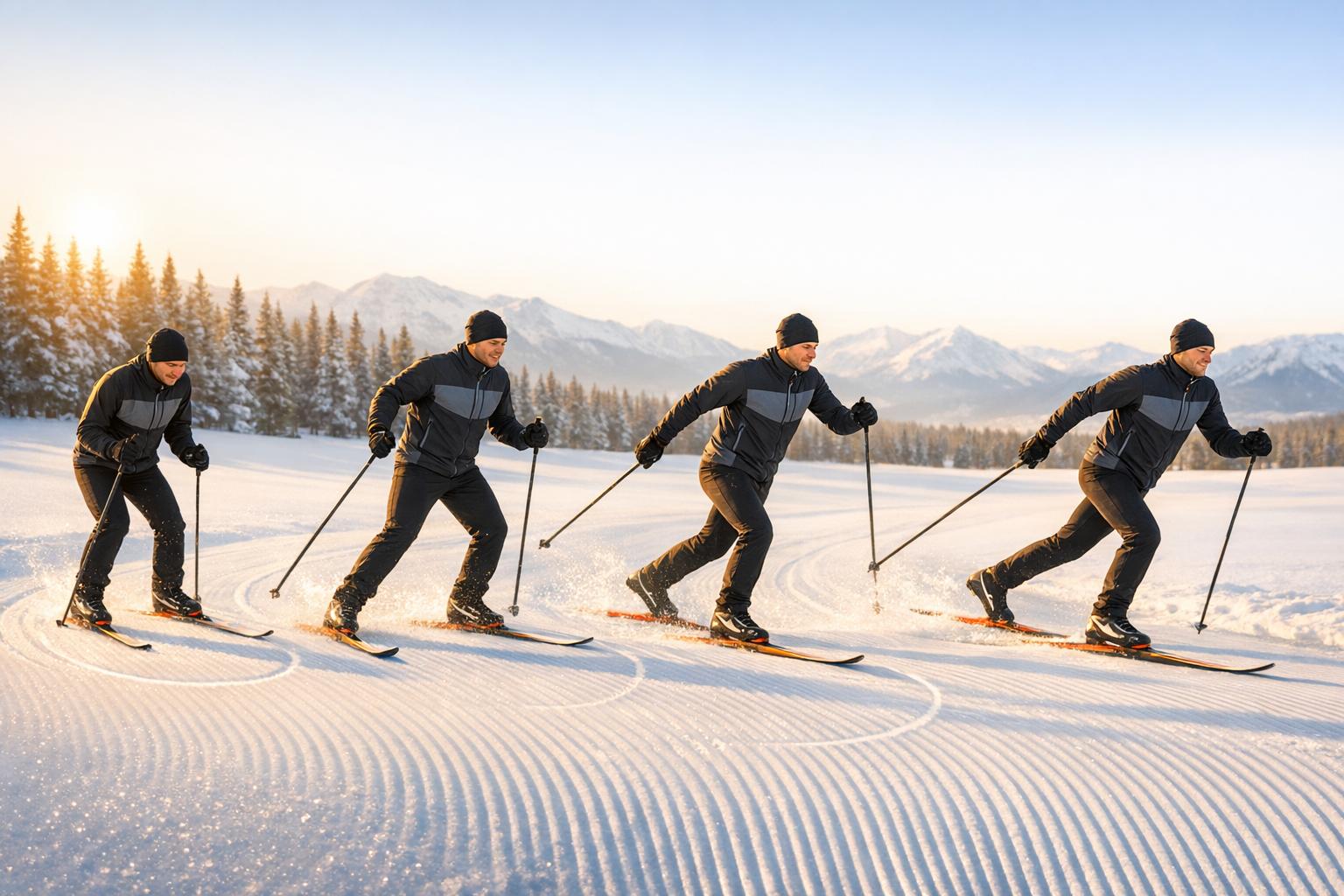
Skiskating isn’t just safe and confidence-boosting; it’s also adaptable. It performs well on various terrains, from groomed tracks to wooded areas and rolling hills. This versatility allows kids to explore the mountain at their own pace, tackling manageable terrain as they build their skills and comfort level.
Tips for Parents Getting Kids Started with Skiskating
Helping your child dive into skiskating can be a fun and rewarding experience. With a few thoughtful preparations, you can ensure their first steps are both safe and enjoyable.
Picking the Right Skiskates for Children
Getting the right skiskates is key. A snug fit is essential - tight enough to provide support but not so tight that it causes discomfort. If you're unsure, a rental shop can help with expert fitting. Look for skiskates with adjustable bindings, so they can adapt as your child grows. And don't forget to pair them with the right safety gear, including helmets, goggles, knee pads, and elbow pads.
Once the equipment is sorted, it's time to think about where to start practicing.
Begin on Easy Slopes
Start on gentle, well-maintained slopes to build your child's confidence. Look for areas with smooth snow cover and avoid steep inclines. Signing your child up for lessons can also be a great move. Lessons teach basic skills like stopping and landing safely, all within a controlled environment. This helps kids feel more secure and makes learning more enjoyable.
Required Safety Equipment and Adult Oversight
Safety should always come first. Equip your child with a proper ski helmet - not a bike helmet - for adequate protection. Goggles shield their eyes from snow and wind, while knee and elbow pads soften falls during practice. Dress them in lightweight, layered clothing that keeps them warm without restricting movement. And don’t forget sunscreen (SPF 15+) to guard against the sun's reflection off the snow. Finally, always ensure there’s adult supervision to keep things safe and fun.
Conclusion: Should Your Child Try Skiskating?
If you're searching for a winter sport that's easier to pick up, simpler to carry, and friendlier on your wallet than traditional skiing, skiskating could be the perfect fit. The compact gear easily fits into a backpack, cutting out the hassle of bulky equipment and avoiding costly storage. Plus, kids can carry their own skiskates, giving them a sense of independence thanks to the lightweight and portable design.
The learning process is much less daunting, especially for beginners. Without the burden of heavy skis and clunky boots, children can focus on improving their balance and gaining confidence. Signing up for professional lessons can help ensure they start with the right techniques, avoiding inefficient habits and keeping the experience fun and rewarding.
On top of these practical perks, skiskating offers some serious physical benefits. It burns between 600 and 800 calories per hour while boosting cardiovascular health and building muscle strength. The balance skills gained from skiskating can also carry over to other sports and activities, and being outdoors provides a mental refresh that indoor workouts just can't match. All of this adds up to a more enjoyable time on the slopes.
Skiskating saves money, minimizes hassle, and maximizes fun in the snow. With the right gear, gentle terrain, proper safety measures, and close adult supervision, you can give your child a great introduction to winter sports. So, the only question is: are you ready to let them explore the slopes the easy and enjoyable way?
FAQs
What age is best to start skiskating?
Children usually begin skiskating between the ages of 4 and 6. This is a great time to start because skiskating is a simple, beginner-friendly winter activity that encourages kids to gain confidence while having fun with outdoor sports.
Can my kid use regular winter boots with skiskates?
Yes, you can use regular winter boots with skiskates. Skiskating is designed to be simple to pick up and perfect for casual winter activities, so it works well with standard winter footwear. This makes skiskating an easy and fun choice, especially for kids.
Where can kids safely practice skiskating?
Kids can practice skiskating safely at skating clubs or figure skating rinks. These venues provide supervised environments specifically designed for skating. Additionally, some roller skating rinks or skate centers, especially those participating in programs like Kids Skate Free, offer controlled spaces where kids can learn and enjoy skiskating with confidence.

Leave a comment
This site is protected by hCaptcha and the hCaptcha Privacy Policy and Terms of Service apply.